Cost to Replace Hardie Board Siding A Comprehensive Guide

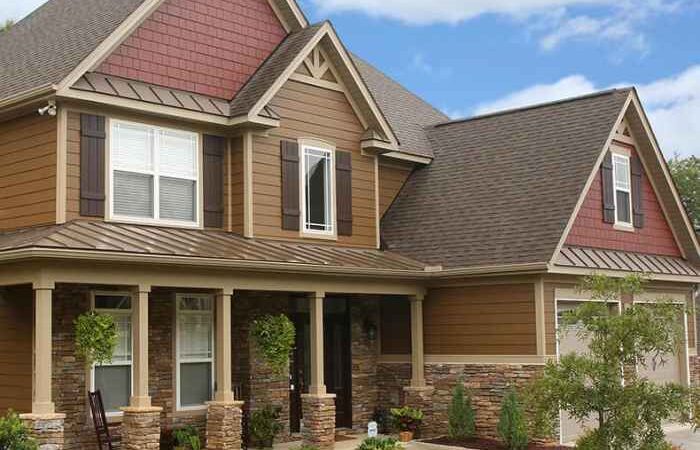
Cost to replace Hardie Board siding? It’s a bigger project than you might think! This guide breaks down the costs involved, from materials and labor to unexpected repairs. We’ll explore how factors like house size, siding type, and regional differences impact the final price, helping you budget effectively for your home improvement project. Get ready to learn how to navigate the world of Hardie Board replacement costs with confidence.
We’ll cover everything from the price of the siding itself and the necessary accessories to the labor costs of hiring professionals versus tackling the job yourself. We’ll also discuss potential hidden costs that can easily inflate your budget, ensuring you’re prepared for any surprises along the way. Understanding these factors is crucial for a successful and financially sound renovation.
Factors Influencing Hardie Board Siding Replacement Cost
Source: sidingcalculator.com
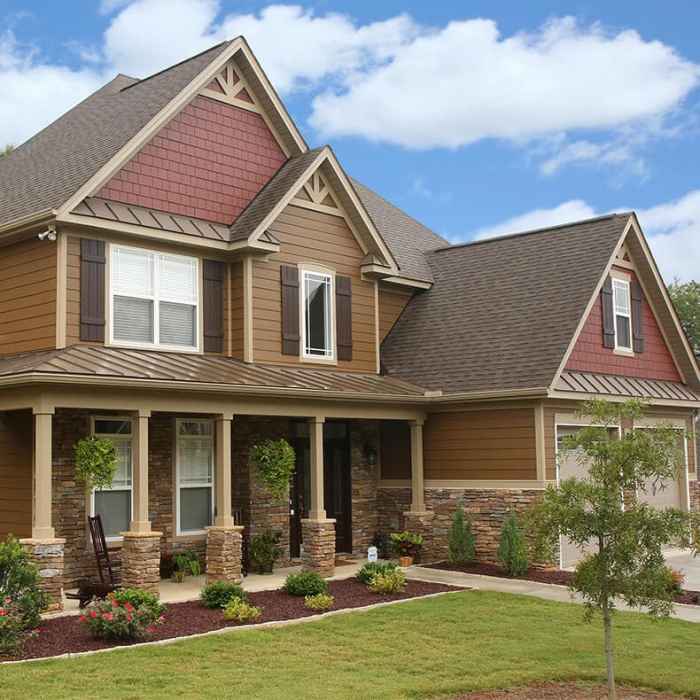
Replacing Hardie board siding is a significant home improvement project, and the total cost can vary considerably depending on several interacting factors. Understanding these factors will help you budget accurately and avoid unpleasant surprises. This section breaks down the key cost drivers to give you a clearer picture.
Material Costs
The cost of Hardie board siding itself is a primary factor. Prices fluctuate based on the type of siding (e.g., lap siding, panel siding, shingles), its thickness, and the chosen finish (e.g., smooth, textured, cedar-look). Higher-end options, such as those with enhanced durability or specific aesthetic features, naturally command higher prices. For example, a premium fiber cement shingle designed to mimic natural slate will be significantly more expensive per square foot than a standard lap siding. Furthermore, the amount of siding needed, directly related to the house’s surface area, will significantly impact the overall material cost. A larger house will inevitably require more materials.
Labor Costs
Labor costs constitute a substantial portion of the total replacement expense. The hourly rate of skilled siding installers varies regionally and based on their experience and expertise. The complexity of the job also plays a role; intricate detailing, numerous corners, or challenging rooflines will necessitate more labor hours and therefore increase the cost. For instance, a house with many dormers or complex architectural features will be more expensive to side than a simple rectangular structure. Furthermore, the removal of old siding and proper disposal adds to the labor costs.
Regional Variations
Geographical location significantly influences both material and labor costs. Areas with high construction costs, such as major metropolitan areas or regions with a high demand for skilled labor, will typically have higher overall replacement costs. Conversely, regions with lower costs of living and less competitive labor markets may offer more affordable pricing. For example, replacing siding in a rural area might be less expensive than doing the same job in a major city like New York or San Francisco. Transportation costs for materials also vary depending on location and distance from suppliers.
House Size and Complexity
The size and architectural complexity of your home directly affect the total replacement cost. Larger homes require more materials and more labor hours, leading to higher expenses. Homes with intricate designs, such as multiple gables, dormers, or bay windows, present greater challenges for installers, resulting in increased labor costs. For instance, a two-story Victorian home with many decorative elements will cost significantly more to re-side than a single-story ranch house. The number of windows and doors also influences the labor involved in careful cutting and installation around these features.
| Factor | Impact on Cost | Example | Potential Cost Increase |
|---|---|---|---|
| Material Type | Higher-end materials cost more. | Premium fiber cement shingles vs. standard lap siding. | 20-50% or more |
| Labor Rates | Varies by region and installer experience. | Higher rates in urban areas compared to rural areas. | 10-30% or more |
| House Size | Larger houses require more materials and labor. | A 3000 sq ft house vs. a 1500 sq ft house. | Proportional increase based on square footage |
| House Complexity | Intricate designs increase labor time. | Victorian home vs. Ranch style home. | 15-40% or more |
Hardie Board Siding Types and Finishes
Different Hardie board siding types and finishes impact the cost. For instance, lap siding is generally less expensive than shingle siding, which in turn might be cheaper than vertical planks. The chosen finish – whether smooth, textured, or designed to mimic wood grain – also affects the price. Textured finishes often add to the overall cost. These variations in material cost will directly translate to differences in the final price.
Unforeseen Repairs and Underlying Issues
During the siding replacement process, unforeseen issues might arise, such as rotted wood behind the existing siding, requiring additional repairs and increasing the overall cost. Discovering and addressing these problems before installation can prevent more expensive future repairs. For example, finding water damage behind the siding might necessitate extensive repairs to the underlying sheathing, significantly adding to the project’s cost. Therefore, thorough inspection before starting the replacement is highly recommended.
Material Costs
Getting a handle on the material costs for your Hardie Board siding replacement is crucial for budgeting your project. This section breaks down the costs of the siding itself, along with essential accessories, offering examples to help you estimate your expenses. Remember that prices can vary based on location, supplier, and the current market.
The cost of Hardie Board siding and its associated materials can significantly impact your overall project budget. Understanding the price variations across different options and suppliers is essential for making informed decisions.
Hardie Board Siding Price Ranges, Cost to replace hardie board siding
Hardie Board siding comes in a variety of styles, colors, and thicknesses, each affecting the final price. The following bullet points provide a general range, but always check with your local supplier for the most up-to-date pricing.
- Standard Lap Siding: Prices typically range from $1.50 to $4.00 per square foot, depending on the color, texture (smooth, cedar-textured, etc.), and thickness (typically 5/16″ or 7/16″). More intricate textures or premium colors will fall at the higher end of this range.
- Panel Siding: This option often costs slightly more than lap siding, ranging from $2.00 to $5.00 per square foot due to larger panel sizes and sometimes more complex installation. Again, color and texture choices affect the price.
- Vertical Siding: Similar in pricing to panel siding, vertical siding generally falls within the $2.00 to $5.00 per square foot range, with variations influenced by texture and color.
- Specialty Products: Hardie offers specialty products like shingles and shakes, which tend to be more expensive than standard lap siding, often starting at $3.00 per square foot and going up significantly depending on the style and design.
Accessory Costs
Beyond the siding itself, you’ll need various accessories. These add to the overall material cost and shouldn’t be overlooked.
- Trim Boards: Expect to pay between $2.00 and $6.00 per linear foot, depending on the size and profile of the trim.
- Flashing: Flashing protects vulnerable areas from water damage. Costs vary greatly depending on the type and amount needed, but plan for at least $1.00 to $5.00 per linear foot.
- Fasteners: While seemingly inexpensive individually, the total cost of nails, screws, and other fasteners can add up. Budget around $0.10 to $0.50 per square foot for fasteners.
Economies of Scale in Hardie Board Purchasing
Purchasing larger quantities of Hardie Board siding can often result in cost savings due to bulk discounts. Here are a few examples:
- Small Project (500 sq ft): Might cost around $1,500 – $4,000 for the siding alone, depending on the chosen type and price per square foot.
- Medium Project (1500 sq ft): Could cost between $4,500 and $12,000 for siding, potentially benefiting from some bulk discounts.
- Large Project (3000 sq ft): Expect to pay anywhere from $9,000 to $24,000 for siding, with the potential for significant savings due to bulk purchasing and potentially negotiated pricing.
Supplier Cost Comparison
Prices can vary significantly between suppliers. Comparing quotes is essential. The following table illustrates potential price differences for a common Hardie Board product (assuming 5/16″ standard lap siding in a neutral color).
| Supplier | Price per Square Foot | Delivery Fee | Total Cost (500 sq ft) |
|---|---|---|---|
| Supplier A | $2.50 | $50 | $1250 + $50 = $1300 |
| Supplier B | $2.75 | $0 (Free Delivery) | $1375 |
| Supplier C | $2.25 | $100 | $1125 + $100 = $1225 |
Labor Costs: Cost To Replace Hardie Board Siding
Source: hawthornexteriors.com
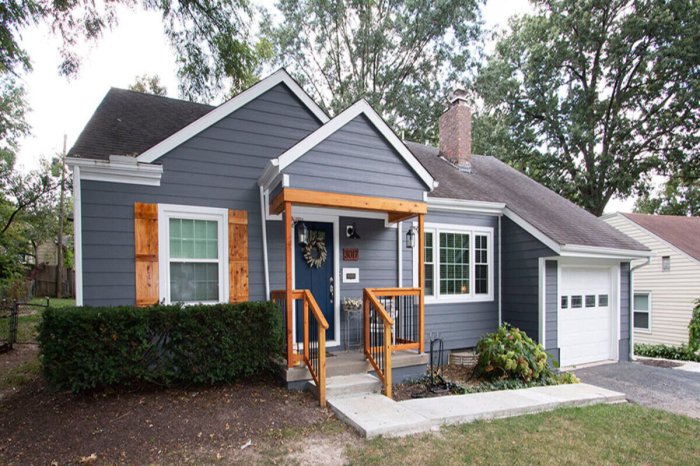
Replacing Hardie board siding involves significant labor, and the cost varies dramatically depending on whether you hire professionals or tackle the job yourself. Choosing between professional installation and a DIY approach requires careful consideration of your skills, time availability, and budget.
Professional installers bring expertise, efficiency, and often warranties to the project. DIY projects, while potentially saving money upfront, can lead to unexpected expenses and delays. This section will explore the cost differences, helping you make an informed decision.
Hourly Rates for Professional Siding Installers
Hourly rates for experienced siding installers fluctuate based on geographical location, the installer’s experience level, and the complexity of the job. Generally, you can expect to pay anywhere from $40 to $80 per hour, though rates in major metropolitan areas or regions with high labor costs might exceed $100 per hour. For instance, a highly skilled installer in a city like San Francisco or New York City could charge significantly more than a similarly experienced installer in a smaller town in the Midwest. These rates typically include the cost of labor, disposal of old siding, and basic cleanup, but not necessarily the cost of materials. It’s crucial to obtain detailed quotes from multiple contractors before making a decision.
DIY Labor Costs: A Time Value Analysis
Undertaking a DIY Hardie board siding replacement seems appealing for cost savings, but it’s crucial to factor in the “hidden” costs. These include the time you invest, the potential for material waste due to inexperience, and the cost of renting specialized tools like scaffolding, nail guns, and power washers. Let’s say your project takes you 100 hours spread over several weekends. If you value your time at your hourly wage (e.g., $25/hour), that adds $2500 to the project cost. Furthermore, mistakes made by an inexperienced DIYer could lead to additional material purchases and even necessitate professional repair, negating the initial savings.
Cost Comparison Table
The following table illustrates a hypothetical comparison of professional vs. DIY Hardie board siding replacement for a 1,500 square foot house. Remember that these figures are estimates and can vary significantly based on location, material choices, and project complexity.
| Cost Category | Professional Installation | DIY Installation |
|---|---|---|
| Materials | $8,000 | $8,000 |
| Labor (Professional) | $6,000 (assuming 100 hours at $60/hour) | $2,500 (assuming 100 hours at $25/hour – time value) |
| Tool Rental | $0 | $500 |
| Material Waste | $0 | $200 (estimated) |
| Total Estimated Cost | $14,000 | $10,700 |
Preparation and Additional Costs
Source: homedit.com
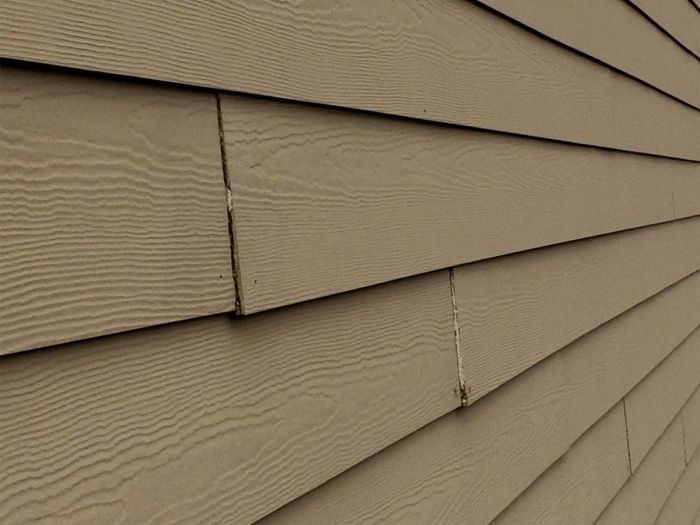
Replacing Hardie board siding isn’t just about the new material; significant costs are tied up in the prep work and potential surprises. Understanding these hidden expenses is crucial for accurate budgeting and avoiding project overruns. This section Artikels the preparatory steps and potential additional costs you should consider.
Preparing your home for new siding involves several key steps, each with its own cost implications. The biggest upfront expense will likely be removing the old siding. This is labor-intensive and often generates a considerable amount of waste that needs proper disposal. Depending on the size of your house and the condition of the existing siding, this phase can take several days and involve specialized equipment. Furthermore, you might uncover unexpected problems during the removal process, adding to both time and cost.
Old Siding Removal and Waste Disposal
Removing old siding is rarely a simple process. It often requires careful work to avoid damaging the underlying sheathing. The cost depends on factors like the type of siding being removed (vinyl, wood, etc.), its condition (fragile or solid), and the complexity of the house’s design (many angles or intricate details). Waste disposal adds another layer of expense. Depending on your location and the volume of waste, you might face charges for landfill disposal or recycling fees. For a medium-sized home, expect to pay anywhere from $1,500 to $4,000 for removal and disposal alone. This could be significantly higher for larger or more complex homes.
Unforeseen Structural Repairs
During siding removal, you might uncover underlying issues like rotted wood, insect damage, or water damage to the sheathing. These problems must be addressed before new siding can be installed. Ignoring them will lead to future problems and potentially void any warranties on the new siding. Repairing rotted wood might involve replacing sections of sheathing, which adds significant cost and time to the project. For example, replacing a large section of damaged sheathing on a two-story house could easily add $2,000 – $5,000 to the overall budget. Insect infestation requires professional treatment before any repairs can begin, adding another expense.
Permits and Inspections
Most municipalities require permits for exterior home renovations like siding replacement. Permit fees vary widely depending on your location and the scope of the project. You should also factor in the cost of inspections throughout the process. These inspections ensure the work meets building codes and safety standards. Failure to obtain necessary permits can result in hefty fines, project delays, and even the need to redo parts of the work. Expect to pay a few hundred dollars for permits and inspections, but this can increase significantly for larger projects or in areas with stricter regulations.
Examples of Unexpected Expenses
Imagine discovering extensive water damage behind the old siding during removal, requiring not only sheathing replacement but also mold remediation. This could easily add $5,000-$10,000 or more to your budget. Another scenario: uncovering asbestos-containing materials in the old siding. Safe removal and disposal of asbestos are strictly regulated and very expensive, potentially adding thousands of dollars to the project cost. Finally, encountering unforeseen issues with electrical wiring or plumbing during the removal process would necessitate further specialized work and expense. Thorough planning and potentially preemptive inspections can help mitigate these risks.
Visual Guide
Source: advanceroofingllc.com
Understanding the cost of Hardie board siding replacement involves considering several key factors. Visualizing these factors helps homeowners better prepare for the project and manage expectations. The following examples illustrate how different scenarios impact the overall cost.
Typical Hardie Board Siding Replacement Project
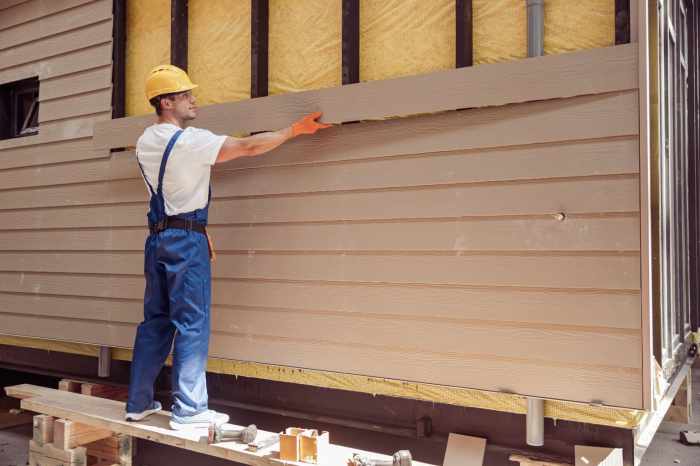
This image depicts a two-story, 2,000 square foot home undergoing a complete Hardie board siding replacement. The existing siding is in good condition, requiring only removal and replacement. The project includes standard preparation, such as removing old siding, flashing, and trim. New Hardie board siding in a neutral color is installed, along with new trim and caulking. This scenario represents a relatively straightforward replacement, with minimal unexpected repairs or complications. The cost is primarily driven by material and labor costs for the siding and associated trim. A modest amount is allocated for waste disposal. This project serves as a baseline for understanding typical costs.
Simple vs. Complex Hardie Board Siding Replacement
This comparison shows two scenarios: One shows a straightforward replacement (left side) of a similar-sized house as described above, where the existing siding is in good condition, and the replacement is a direct swap. The other (right side) shows a house requiring extensive repairs before new siding can be installed. The right-hand side depicts significant water damage requiring repair of underlying sheathing and extensive patching before new Hardie board siding can be installed. This increases the labor cost substantially and adds material costs for repairs. This example highlights how unforeseen damage can significantly inflate the total project cost, potentially doubling or tripling the cost of a simple replacement.
Hardie Board Siding Replacement Cost Based on House Size
This image presents three houses of varying sizes: a small ranch (approximately 1,000 square feet), a medium-sized two-story (approximately 2,000 square feet), and a large custom home (approximately 4,000 square feet). All three homes are undergoing Hardie board siding replacement with similar specifications (e.g., color, trim choices). The visual clearly shows the direct correlation between house size and total project cost. The small house requires less material and labor, resulting in a significantly lower overall cost. The large home necessitates far more material and significantly more labor hours, resulting in a proportionally higher cost. This illustration emphasizes the direct relationship between square footage and the overall cost of the project. For instance, a simple replacement on a 1000 sq ft home might cost around $10,000 – $15,000, while a similar project on a 4000 sq ft home could easily reach $40,000 – $60,000 or more, depending on other factors.
Closing Notes
Replacing Hardie Board siding is a significant investment, but with careful planning and a thorough understanding of the associated costs, you can approach the project with confidence. Remember to factor in all potential expenses, from materials and labor to unexpected repairs and permits. By considering the various factors discussed in this guide, you can create a realistic budget and ensure a smooth and successful renovation. Now you’re equipped to make informed decisions and get that beautiful new siding!
FAQ Summary
What’s the average lifespan of Hardie Board siding?
Hardie Board siding is known for its durability and typically lasts 30-50 years, depending on climate and maintenance.
Can I finance the replacement of my Hardie Board siding?
Yes, many home improvement loans and financing options are available. Check with your bank or credit union for details.
Do I need a permit to replace Hardie Board siding?
Permits are often required for exterior home renovations. Check with your local building department.
How long does Hardie Board siding replacement typically take?
The timeframe varies depending on the house size and complexity, but it can range from a few days to several weeks.
What are some ways to reduce the overall cost of replacement?
Consider DIY options for some tasks (if you’re skilled), shop around for materials, and choose a simpler siding style to potentially save money.
Comments are closed.