Siding Replacement Cost Estimator

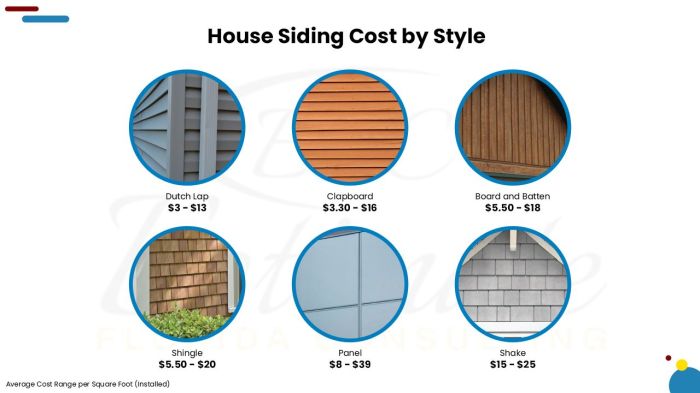
Siding Replacement Cost Estimator: Figuring out how much a new siding job will cost can feel overwhelming. This guide breaks down the process, covering everything from material costs and labor rates to hidden expenses and budgeting tips. We’ll explore various siding types, helping you make informed decisions and create a realistic budget for your home improvement project.
We’ll walk you through estimating labor costs based on your region and project complexity, detailing the price differences between vinyl, wood, fiber cement, and metal siding. Learn how home size, architectural style, and even permits affect the final price. We’ll also show you how to get multiple quotes and negotiate effectively to ensure you get the best value for your money.
Understanding Siding Replacement Costs
Replacing your siding is a significant home improvement project, and understanding the costs involved is crucial for budgeting and planning. Several factors contribute to the final price, making it essential to break down the individual components to get a realistic estimate. This will help you make informed decisions and avoid unexpected expenses.
Factors Influencing Siding Replacement Costs
Several key factors influence the overall cost of siding replacement. These include the type of siding material chosen, the labor costs associated with installation, and regional variations in material and labor prices. The size and complexity of your home also play a significant role.
Siding Material Costs and Characteristics
Choosing the right siding material is a critical step, as it directly impacts the project’s cost. Different materials offer various price points, aesthetic qualities, and durability. Below is a table outlining some common siding options and their approximate cost ranges. Remember that these prices are estimates and can vary based on location and supplier.
| Material | Price per Square Foot | Pros | Cons |
|---|---|---|---|
| Vinyl | $2 – $8 | Affordable, low maintenance, variety of colors and styles | Can be easily damaged, may not be as durable as other options, can fade over time |
| Fiber Cement | $6 – $15 | Durable, fire-resistant, low maintenance, long lifespan | More expensive than vinyl, can be heavy and difficult to install |
| Wood | $8 – $25+ | Classic look, aesthetically pleasing, can be customized | High maintenance, susceptible to rot and insect damage, requires regular painting or staining |
| Metal | $7 – $20+ | Durable, long-lasting, fire-resistant, low maintenance | Can dent, susceptible to scratches, can be noisy in rain or hail |
Impact of Home Size and Complexity
The size of your home directly correlates with the amount of siding needed, significantly influencing the total cost. A larger house naturally requires more materials and labor, increasing the overall expense. The complexity of your home’s design also plays a role. Homes with intricate architectural details, multiple stories, or difficult-to-access areas will generally require more time and labor, leading to higher costs. For example, a simple ranch-style home will likely cost less than a multi-story Victorian.
Hidden Costs Associated with Siding Replacement
Beyond the cost of materials and labor, several hidden costs can add up. These include:
- Permits: Most localities require permits for significant home renovations like siding replacement. The permit fees vary depending on location and the project’s scope.
- Disposal Fees: Removing old siding generates waste that needs proper disposal. Disposal fees can vary depending on your location and the amount of waste generated. This cost is often overlooked but can be substantial.
- Repair Costs: Underlying issues like rotted wood or damaged sheathing may be discovered during the removal of old siding. Repairing these problems before installing new siding adds to the overall cost.
- Unexpected Issues: During the removal of the old siding, unforeseen problems like insect infestations or water damage may be found, requiring additional work and expenses.
Estimating Labor Costs for Siding Replacement
Figuring out the labor costs for your siding replacement is crucial for budgeting. Labor can represent a significant portion of the total project cost, often exceeding the material expenses. Understanding the factors influencing these costs will help you get a more accurate estimate and avoid unexpected expenses.
Average Hourly Rates for Siding Installers
Hourly rates for siding installers vary considerably depending on geographical location, experience level, and the type of siding being installed. Generally, you can expect higher rates in areas with a higher cost of living and a strong demand for skilled labor. For example, major metropolitan areas on either coast tend to have higher rates than smaller towns in the Midwest. Experienced installers also command higher hourly rates than less experienced ones. A good range to consider would be between $40 and $80 per hour, but always get multiple quotes to confirm.
Labor Costs Associated with Different Siding Installation Methods
The installation method significantly impacts labor costs. Vinyl siding, being relatively straightforward to install, typically involves lower labor costs compared to more complex materials like fiber cement or wood siding. Fiber cement, due to its weight and the precision needed for installation, demands more time and expertise, leading to higher labor costs. Similarly, intricate designs or difficult-to-access areas of the house will also drive up labor costs. For instance, installing siding on a multi-story home with many dormers or complex architectural features will be more expensive than a single-story ranch-style house.
Factors Affecting Labor Costs
Several factors can influence the overall labor costs. Project complexity, as mentioned, is a major factor. A simple, straightforward siding replacement on a rectangular house will take less time than one involving intricate trim work, multiple siding types, or significant repairs to the underlying sheathing. Weather conditions can also cause delays and increase costs. Rainy days or extreme temperatures can slow down the installation process, leading to extended labor hours and, consequently, higher costs. The size of the house is another obvious factor: larger houses naturally require more labor hours. Finally, the condition of the existing siding and underlying structure plays a significant role. If extensive repairs or removal of damaged sheathing are needed, this will add to the labor hours and overall cost.
Sample Labor Cost Calculation
Let’s assume a siding replacement project for a 1500 sq ft house using vinyl siding. We’ll estimate the labor at $50 per hour per installer. Let’s also assume that two installers can complete the job in 5 days (40 hours total).
Total labor cost = (Hourly rate per installer) x (Number of installers) x (Total labor hours)
Total labor cost = ($50/hour) x (2 installers) x (40 hours) = $4000
This is a simplified example. In reality, a detailed breakdown of the project scope, including potential complications and unforeseen issues, is essential for an accurate labor cost estimate. Always obtain multiple bids from reputable contractors to compare pricing and ensure you’re getting a fair price.
Material Costs for Various Siding Types
Source: estimatorflorida.com
Choosing the right siding material significantly impacts your home’s overall look and the project’s budget. This section breaks down the costs associated with popular siding options, helping you make an informed decision. Remember that prices can fluctuate based on location, installer, and material quality.
Siding Material Cost Comparison
Let’s compare the cost per square foot (psf) of common siding materials. These are average figures and can vary widely. Always get multiple quotes from reputable contractors in your area.
| Material | Cost per Square Foot (psf) | Notes |
|---|---|---|
| Vinyl Siding | $3 – $12 | Price varies greatly depending on thickness, color, and style. Basic options fall at the lower end, while premium options with added features can reach the higher end. |
| Wood Siding | $10 – $30+ | Cost depends heavily on the type of wood (e.g., cedar, redwood), quality, and whether it’s pre-finished. Exotic hardwoods will be significantly more expensive. |
| Fiber Cement Siding | $8 – $20+ | Similar to wood, price varies based on thickness, texture, and brand. Higher-end options often mimic the look of wood more closely. |
| Metal Siding | $6 – $25+ | Aluminum siding is generally cheaper than steel or zinc. Steel is more durable but more expensive. The cost also depends on the style and finish chosen. |
Siding Material Properties
Understanding the lifespan, maintenance needs, and aesthetic qualities of different siding materials is crucial for long-term cost effectiveness.
| Material | Lifespan (Years) | Maintenance | Aesthetics |
|---|---|---|---|
| Vinyl Siding | 20-40 | Low; occasional cleaning | Wide range of colors and styles, often mimicking wood or stone. |
| Wood Siding | 30-50+ (with proper maintenance) | Medium to High; regular painting or staining, potential for repairs | Classic and natural look; many variations in wood type and finish. |
| Fiber Cement Siding | 30-50+ | Low to Medium; occasional cleaning and painting/staining (depending on finish) | Durable and versatile; can mimic wood or stone. |
| Metal Siding | 40-75+ | Low; occasional cleaning | Modern and clean look; available in various colors and finishes. |
Premium and Budget-Friendly Siding Options
The price range within each siding material type reflects variations in quality and features.
Vinyl Siding
Premium: Thick, high-quality vinyl with realistic wood grain textures and long warranties. Example: CertainTeed Monogram.
Budget-Friendly: Thinner vinyl with basic colors and less robust warranties. Example: Many readily available brands from home improvement stores.
Wood Siding
Premium: High-grade cedar or redwood with pre-finished, high-quality stain.
Budget-Friendly: Pressure-treated pine or fir requiring regular maintenance.
Fiber Cement Siding
Premium: Thick, high-density fiber cement boards with detailed textures and sophisticated colors. Example: James Hardie Artisan.
Budget-Friendly: Standard fiber cement siding with less detailed textures and fewer color choices.
Metal Siding
Premium: Steel siding with a high-quality coating for enhanced durability and rust resistance.
Budget-Friendly: Aluminum siding, often a simpler style and color palette.
Factors Affecting Total Project Cost
Source: masterestimators.com
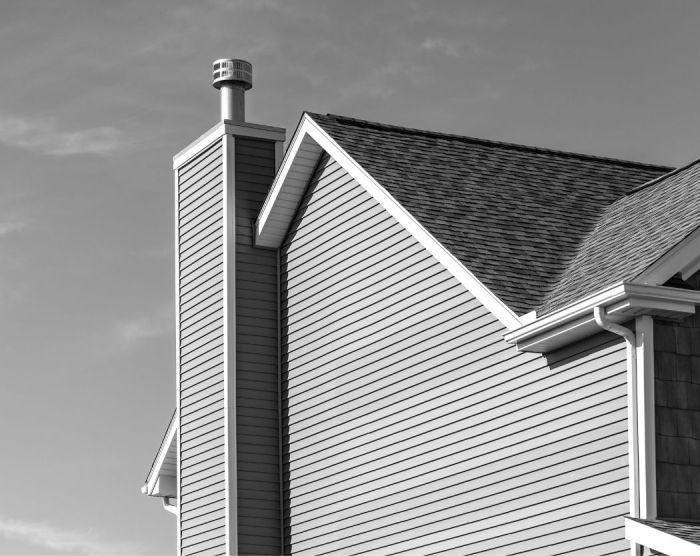
Getting an accurate estimate for siding replacement goes beyond simply adding up material and labor costs. Several factors significantly influence the final price, and understanding these can help you budget effectively and avoid surprises. Let’s explore some key variables that impact your total project cost.
Project Scope’s Influence on Total Cost
The extent of the work dramatically affects the overall expense. A minor repair, such as replacing a few damaged panels due to storm damage, will naturally cost considerably less than a complete siding replacement across the entire house. For example, repairing ten damaged panels might involve a few hundred dollars in materials and a couple of days of labor, whereas replacing the siding on a 2,000 square foot house could easily reach tens of thousands of dollars. A complete tear-off and replacement involves significantly more labor, disposal fees for old siding, and potentially more materials due to unforeseen issues discovered during the process.
Architectural Style and Existing Siding Condition
Your home’s architecture plays a role. Intricate designs with many angles, dormers, or decorative features require more time and precision, leading to higher labor costs. The condition of your existing siding also matters. If the old siding is difficult to remove (e.g., asbestos siding requires specialized handling and disposal), or if extensive repairs to underlying sheathing are needed, the project will become more complex and expensive. Imagine the difference between removing simple vinyl siding versus removing and disposing of old wood clapboard with extensive rot. The latter requires far more labor and specialized expertise.
Permitting Processes and Inspections, Siding replacement cost estimator
Obtaining necessary permits and undergoing inspections adds to the total cost. Permitting fees vary by location and project scope. Furthermore, if inspections reveal unexpected issues requiring additional work, this will naturally increase the final bill. For example, a necessary repair to the underlying house structure revealed during an inspection might add several thousand dollars to the project, depending on the nature and extent of the repairs. It’s wise to factor in these potential costs upfront.
Importance of Multiple Contractor Quotes
Getting multiple quotes from different contractors is crucial for comparison and ensuring you’re getting a fair price. Different contractors may have varying labor rates, material sourcing strategies, and overhead costs. Comparing at least three quotes allows you to identify potential discrepancies and choose the contractor that best balances price, experience, and reputation. For instance, one contractor might offer a lower initial price but use lower-quality materials, while another might provide a higher quote but include better materials and a more comprehensive warranty. A careful comparison helps you make an informed decision.
Creating a Realistic Budget for Siding Replacement
Replacing your siding is a significant investment, so creating a realistic budget is crucial to avoid unexpected costs and financial strain. This involves carefully combining material and labor estimates, exploring cost-effective options, and preparing for potential contingencies. Let’s break down how to approach this process effectively.
Calculating Total Project Cost
To determine your total project cost, you’ll need to add your material costs and labor costs together. Remember that material costs are the price of the siding itself, plus any necessary underlayment, trim, and fasteners. Labor costs represent the hourly or per-square-foot rate charged by the contractor for installation, removal of old siding, and any necessary repairs. For example, if your material costs are $5,000 and your labor costs are $3,000, your total estimated project cost is $8,000. Always get multiple quotes to compare pricing. This will help you understand the range of costs associated with your project and ensure you are getting a fair price.
Strategies for Cost-Effective Solutions
Finding cost-effective solutions doesn’t mean sacrificing quality. Consider these strategies:
- Choose a less expensive siding material: Vinyl siding is generally more affordable than fiber cement or wood, while still offering durability and aesthetic appeal. However, consider the long-term costs – a more expensive material might last longer and require less maintenance in the long run.
- Shop around for materials: Compare prices from different suppliers to find the best deals. Buying in bulk can also lead to savings.
- Consider DIY for smaller tasks: If you have some DIY experience, you might be able to handle smaller tasks like removing old siding or cleaning up after the project. This can save on labor costs, but only if you’re comfortable with the work and it won’t affect the quality of the final installation.
- Stagger the project: Instead of replacing all the siding at once, consider doing it in phases if your budget is tight. This allows you to spread the cost over time.
Negotiating with Contractors and Managing Unexpected Expenses
Negotiating with contractors is a key part of managing costs. Get multiple quotes and compare them carefully. Don’t be afraid to negotiate, but be respectful and reasonable. A well-written contract is essential. It should clearly Artikel the scope of work, payment schedule, and any warranties. To manage unexpected expenses, add a contingency buffer to your budget. A 10-15% contingency is a good starting point to cover unforeseen issues like rotted wood or unexpected repair needs. This prevents you from being caught off guard.
Step-by-Step Guide for Creating a Comprehensive Project Budget
- Measure your house: Accurately measure the area of siding that needs replacement. This is crucial for accurate material estimates.
- Get multiple material quotes: Obtain quotes from several suppliers for the type of siding you’ve chosen. Compare prices, quality, and warranties.
- Obtain multiple labor quotes: Get at least three quotes from reputable siding contractors. Ensure the quotes include a detailed breakdown of labor costs and a timeline for completion.
- Calculate total costs: Add the material and labor costs together. Remember to factor in any permits or other associated fees.
- Add a contingency buffer: Include a 10-15% contingency to account for unexpected costs.
- Review and finalize your budget: Carefully review your budget to ensure it accurately reflects all anticipated costs.
Visual Aids for Cost Estimation: Siding Replacement Cost Estimator
Source: amazonaws.com
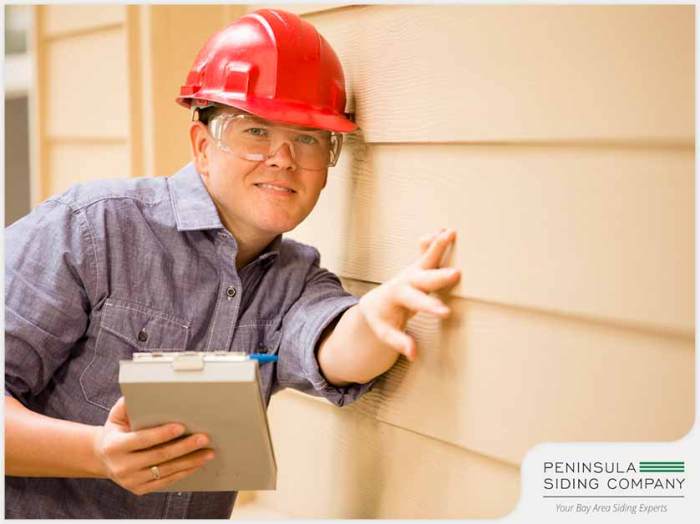
Visual aids are incredibly helpful when planning a siding replacement. Seeing the different siding options and understanding the impact of damage makes the decision-making process much clearer and helps you accurately estimate the overall cost. Pictures can bridge the gap between abstract cost figures and the tangible reality of your home’s transformation.
Siding Types and Visual Characteristics
Different siding materials offer unique visual characteristics that significantly impact curb appeal and overall cost. Understanding these differences is crucial for selecting the best option for your budget and aesthetic preferences. Let’s examine some common types.
- Vinyl Siding: Typically comes in a wide range of colors and styles, often mimicking the look of wood clapboard or shakes. Textures vary from smooth to slightly textured, providing a relatively low-maintenance and affordable option. Colors can fade over time with prolonged sun exposure.
- Fiber Cement Siding: Offers a more durable and realistic wood-like appearance than vinyl. Textures can be quite detailed, mimicking the grain and knots of natural wood. It’s available in a variety of colors and is highly resistant to fire, insects, and rot. It’s a more expensive option than vinyl but offers superior longevity.
- Wood Siding: Provides a classic, natural look with variations in color and grain. Wood siding can be painted or stained to achieve various aesthetics. However, it requires more maintenance than other siding types and is susceptible to rot, insect damage, and weathering. It is generally a more expensive option initially, but the cost varies greatly depending on the type of wood used.
- Metal Siding: Durable and low-maintenance, metal siding (often aluminum or steel) is available in a variety of colors and styles. It’s resistant to fire, insects, and rot, but can dent or scratch more easily than other materials. It often has a smooth, slightly reflective surface. The cost can vary based on the metal type and finish.
Before-and-After Siding Replacement Image Description
Imagine an image split into two halves. The left half shows a house with aging, faded, and damaged siding. Notice the discoloration, particularly near the ground, suggesting water damage. Some boards are warped or cracked, showing clear signs of deterioration. The overall impression is one of neglect and a need for repair. The right half showcases the same house after siding replacement. The new siding is a fresh, clean, consistent color—let’s say a warm, inviting beige. The surface is smooth and even, free of cracks or warping. The overall appearance is dramatically improved, conveying a sense of modernity and well-maintained property. The transformation highlights the significant impact a siding replacement can have on a home’s curb appeal and perceived value. This visual comparison effectively demonstrates the return on investment in terms of aesthetic improvement.
Common Siding Problems Illustrating the Need for Replacement
Siding problems often go beyond mere cosmetic issues and can lead to structural damage if left unaddressed. Identifying these problems is crucial in justifying the cost of replacement.
- Rot and Decay: Water damage, often due to inadequate flashing or damaged caulking, leads to rot in wood and moisture damage in other siding types. This is typically visible as discoloration, soft spots, or crumbling material. The cost of repair often exceeds that of replacement, particularly if significant structural damage has occurred. For example, a small area of rot in wood siding might initially seem minor, but untreated rot can quickly spread, requiring extensive repairs or complete replacement of affected sections.
- Insect Infestation: Wood siding is particularly vulnerable to insect damage, such as termites or carpenter ants. Infestations often create noticeable holes, tunnels, or weakened areas in the siding. Ignoring infestations can lead to significant structural damage and expensive repairs. In extreme cases, entire sections of siding may need to be replaced.
- Severe Discoloration and Fading: Prolonged sun exposure, especially in harsh climates, can cause significant fading and discoloration of siding, particularly vinyl. While repainting or staining might seem like a cost-effective solution initially, severely faded siding often indicates underlying damage that warrants replacement for long-term protection and aesthetic appeal. The cost of repainting or staining might be repeated multiple times before a replacement offers a more cost-effective solution.
Closing Notes
Replacing your siding is a significant investment, but with careful planning and a realistic budget, you can transform your home’s curb appeal while protecting it from the elements. By understanding the factors that influence cost, researching different materials, and obtaining multiple contractor quotes, you can confidently navigate the process and achieve the siding upgrade you desire. Remember to factor in those hidden costs – permits, disposal, and potential unforeseen issues – to avoid nasty surprises along the way.
Helpful Answers
What’s the average lifespan of different siding materials?
It varies greatly. Vinyl siding can last 20-30 years, while wood siding might need replacing after 15-20 years depending on maintenance. Fiber cement is more durable, lasting 30-50 years, and metal siding can last even longer (50+ years).
How do I find reputable siding contractors?
Get recommendations from friends and family. Check online reviews and ratings. Verify licenses and insurance. And always get multiple written quotes before making a decision.
Can I do some of the work myself to save money?
Maybe, but be realistic about your skills. Simple tasks like cleaning or prepping the surface might be manageable, but professional installation is usually recommended for a long-lasting, quality result. Improper installation can void warranties.
What are some red flags to watch out for when dealing with contractors?
Avoid contractors who pressure you into quick decisions, give vague or incomplete quotes, or don’t have references. Be wary of extremely low bids, which might indicate lower quality work or hidden costs later on.
Comments are closed.